Charting Incentive Flow Patterns Across Austria's Mobile Gaming Networks
Geschrieben von Kai Zimmermann · 10.9.2026
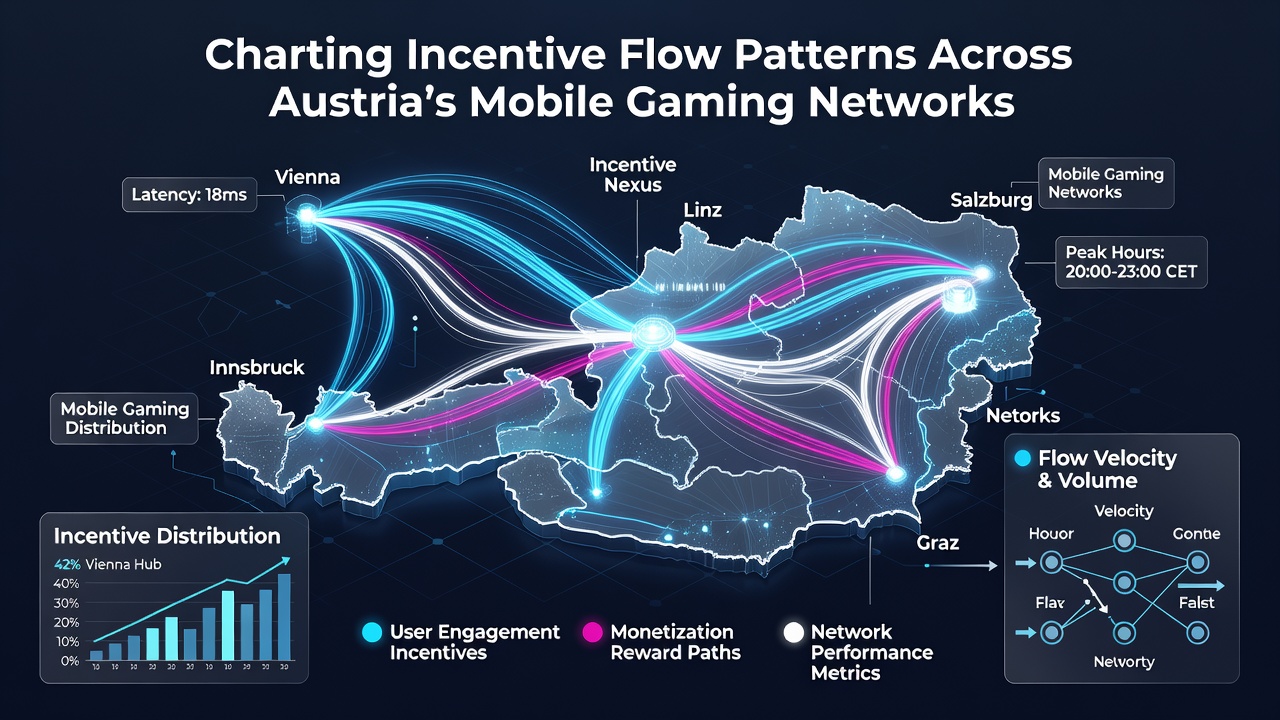
Charting Incentive Flow Patterns Across Austria's Mobile Gaming Networks
Researchers tracking mobile gaming activity across Austria have mapped how incentive structures move through digital networks, and data from multiple platforms reveal consistent patterns in reward distribution and user engagement. These flows involve in-app rewards, loyalty mechanisms, and cross-platform promotions that connect players with game developers and network operators, while studies conducted between 2024 and 2025 document the volume of incentives circulating through domestic mobile infrastructure.
Data Sources and Mapping Techniques
Analysts at Austrian research institutions compile anonymized transaction logs from mobile applications to trace incentive pathways, and they apply network analysis tools that highlight clusters where rewards concentrate among frequent users versus occasional participants. Government statistics from the Austrian Federal Ministry of Finance indicate that mobile gaming transactions accounted for a measurable share of digital entertainment spending in recent quarters, while figures released in early 2025 show steady growth in reward-based engagement metrics. One study from a Vienna-based data consortium found that incentives often travel along predictable routes that link social features with purchase triggers, and researchers noted seasonal spikes that align with holiday periods and major sporting events.
Observed Patterns in Regional Networks
Across urban centers like Vienna, Graz, and Linz, mobile gaming networks display similar incentive circulation behaviors, although rural areas show slower adoption rates and different reward redemption timelines. Data collected from operator reports demonstrate that incentives tend to cluster around specific game genres such as puzzle and strategy titles, whereas action-oriented applications exhibit more dispersed flow patterns. European Commission digital market analyses provide broader context on how cross-border data sharing affects these domestic flows, and reports from 2025 highlight the role of standardized APIs in facilitating smoother reward transfers between platforms. Observers note that September 2026 projections anticipate further integration of location-based incentives, which could alter current distribution maps as 5G coverage expands in additional provinces.
Network diagrams produced by independent analysts illustrate three primary flow types: direct player-to-player transfers, developer-initiated campaigns, and automated loyalty loops. Each type follows measurable pathways that researchers quantify through volume metrics and timing data, and evidence from multiple platforms shows that automated loops account for the largest share of recurring incentive activity.
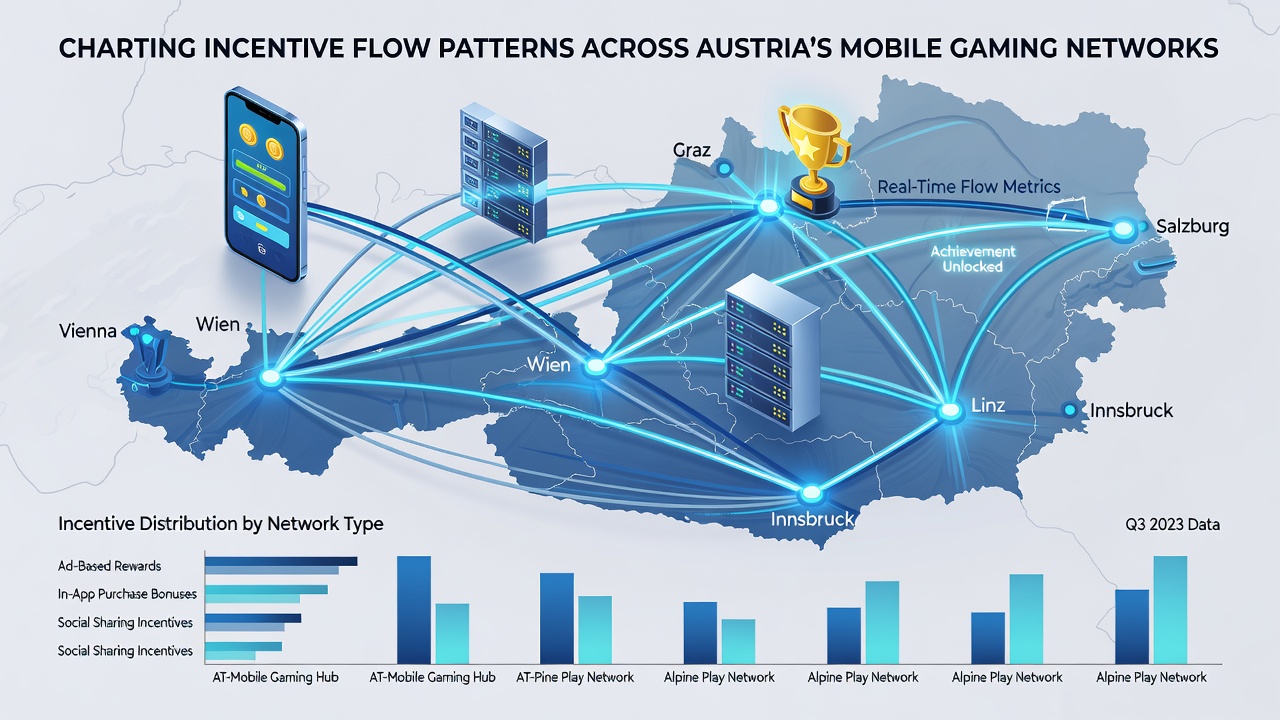
Technical Infrastructure Supporting Flows
Mobile network operators in Austria maintain backend systems that process incentive redemptions in real time, and these systems integrate with game servers to verify eligibility before rewards activate. Research from academic groups at the University of Innsbruck has examined latency effects on flow efficiency, revealing that delays above certain thresholds reduce redemption rates across tested applications. Industry reports from the European Gaming and Betting Association supply comparative figures from other EU member states, which help contextualize Austria's patterns without direct regulatory overlap. Those who've examined the infrastructure note that encryption protocols and user consent layers add steps to each transaction, yet data throughput remains stable under current load levels.
Case examples from platform operators illustrate how A/B testing of incentive placement influences overall flow direction, and results from one 2025 trial showed measurable shifts when rewards appeared during tutorial sequences rather than post-level screens. Analysts continue to refine visualization models that represent these movements as layered graphs, allowing clearer identification of bottlenecks and high-velocity corridors.
September 2026 Projections and Network Evolution
Forward-looking models prepared by data analytics firms project continued expansion of incentive networks through September 2026, driven by increased device penetration and refined targeting algorithms. Austrian telecommunications providers have scheduled infrastructure upgrades that coincide with this timeframe, and preliminary simulations suggest these changes will accelerate cross-regional reward exchanges. International research collaborations, including work shared through Australian academic channels on digital entertainment economics, supply additional variables that Austrian teams incorporate into their forecasts. Evidence gathered so far indicates that new device categories entering the market will introduce fresh flow variables, particularly around wearable integrations and cloud-streamed sessions.
Conclusion
Mapping efforts across Austria's mobile gaming networks continue to yield detailed records of incentive movement, supported by operator data, academic analysis, and cross-European comparisons. The patterns documented through 2025 establish baseline measurements that researchers expect to track against future developments, including those anticipated around September 2026. These factual records provide a foundation for ongoing examination of how digital rewards circulate within domestic mobile environments.