Decoding Deposit Threshold Variations That Trigger Extended Play Credits on Austria-Focused Digital Slot Platforms
Geschrieben von Casey Wolf · 22.10.2026
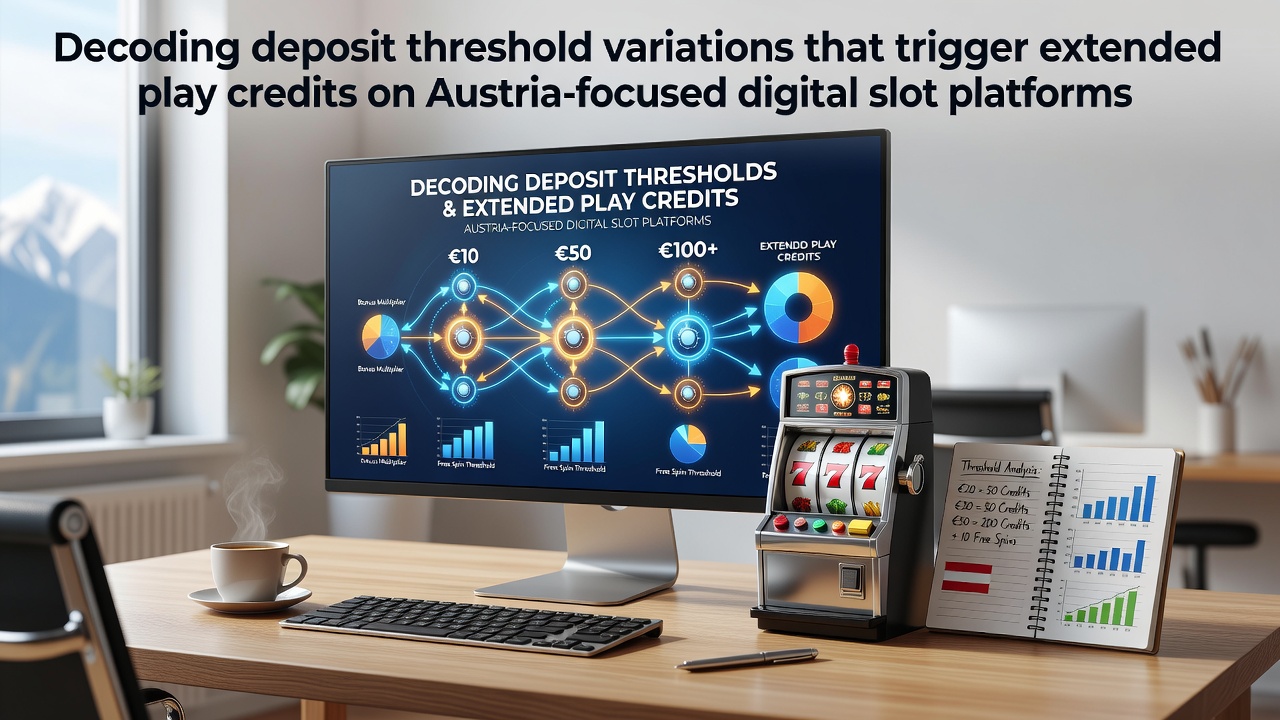
Decoding Deposit Threshold Variations That Trigger Extended Play Credits on Austria-Focused Digital Slot Platforms
Deposit threshold variations across Austria-focused digital slot platforms operate through structured mechanics that convert specific deposit amounts into extended play credits, and these patterns emerge from platform algorithms calibrated to local regulatory frameworks and user engagement data. Platforms set minimum deposit levels that unlock layered credit extensions, whereas higher tiers activate additional multipliers or prolonged session allocations, all while remaining compliant with Austrian gambling statutes that govern incentive structures.
Core Mechanics Behind Threshold Activation
Extended play credits activate once a deposit crosses predefined monetary boundaries, and operators calibrate these boundaries differently depending on whether the platform targets mobile users or desktop sessions, creating noticeable differences in how quickly credits appear in player accounts. Research indicates that thresholds commonly cluster around increments of 10, 25, and 50 euros, with each step unlocking proportionally larger credit pools that extend reel spins without requiring immediate further deposits.
Regional Calibration Patterns
Platforms serving Austrian users adjust thresholds seasonally, and data from the European Commission digital economy reports shows that operators often raise minimums during high-traffic periods while lowering them for quieter months to maintain steady participation rates. Those who monitor these shifts observe that variations also reflect device type, with mobile-first platforms frequently setting lower entry points to encourage quicker onboarding compared with desktop-oriented sites that favor higher initial deposits for larger credit bundles.
One study revealed that algorithmic reward pathways incorporate user history, so returning players encounter reduced thresholds after consistent activity, whereas new accounts face standard levels until the first deposit cycle completes. This differentiation produces distinct credit extension timelines across the ecosystem.
October 2026 Regulatory Context
Platforms are preparing for updated compliance requirements scheduled to take effect in October 2026, and these forthcoming rules are expected to standardize disclosure of threshold values while preserving operator flexibility in credit calculation formulas. Observers note that current variations already incorporate elements such as progressive scaling, where each additional deposit within a 24-hour window lowers the next activation point, and this mechanic appears more frequently on Austria-focused sites than on broader European networks.
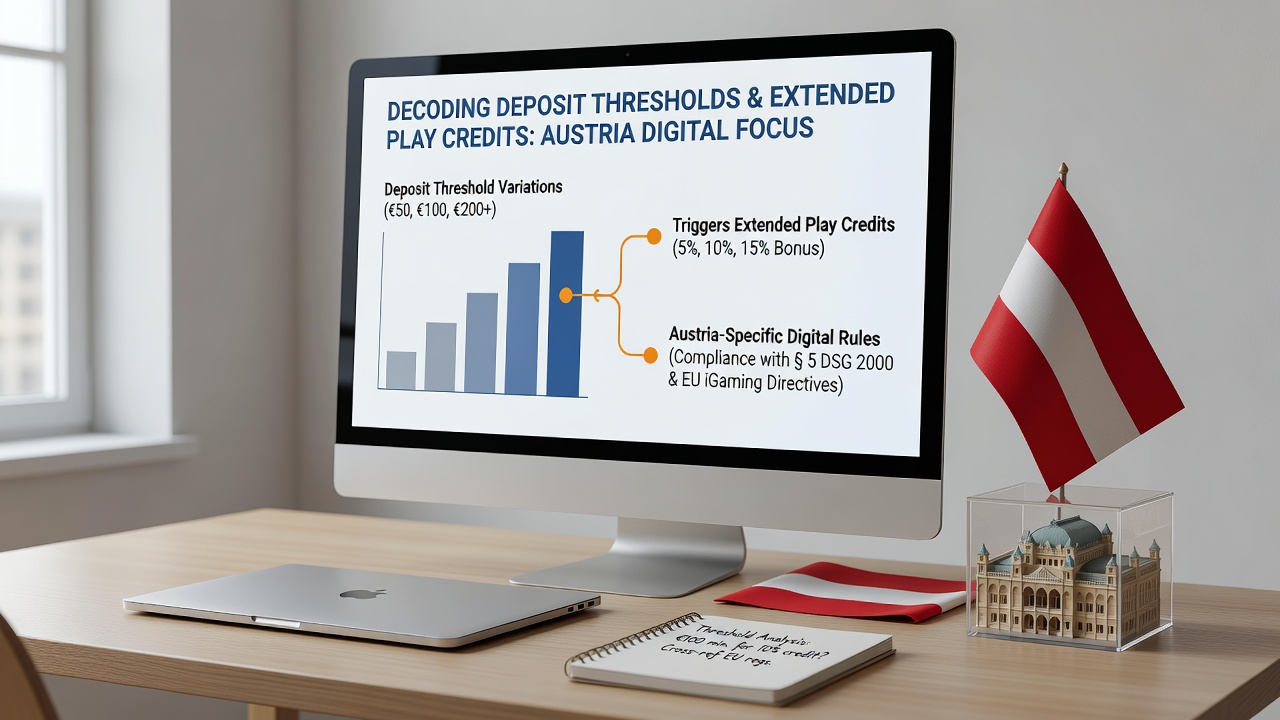
Figures from industry tracking services reveal that credit extensions typically equate to 15 to 40 percent of the triggering deposit, yet the exact ratio fluctuates based on game category and volatility settings selected by the player. Take one platform that applies a base 20-euro threshold for standard slots while requiring 35 euros for high-volatility titles before extended credits unlock, illustrating how game-specific adjustments further diversify the landscape.
Comparative Threshold Structures Across Providers
Different operators implement tiered systems that reward cumulative deposits within defined windows, and these systems often combine with loyalty metrics to reduce subsequent thresholds for frequent users. Researchers discovered that such layered approaches create predictable activation patterns when tracked over multiple sessions, allowing analysts to map how small variations in deposit size produce measurable differences in total extended play time.
Platforms also integrate time-based modifiers, so deposits made during evening hours may trigger credits faster than daytime transactions, and this temporal dimension adds another variable to the overall decoding process. Evidence suggests the combination of amount, timing, and account history determines final credit allocation more reliably than any single factor alone.
Conclusion
Deposit threshold variations that trigger extended play credits on Austria-focused digital slot platforms follow identifiable patterns rooted in algorithmic design, regulatory compliance, and user segmentation strategies. As October 2026 approaches, further standardization of disclosure practices may narrow some differences while leaving room for continued innovation in credit extension mechanics. Those who examine these systems across multiple providers gain clearer insight into how deposit amounts translate into extended play opportunities within the current Austrian market environment.