Regulatory Impacts on Incentive Programs for Online Gaming Enthusiasts in Austria's Capital Region
Geschrieben von Casey Günther · 22.8.2026
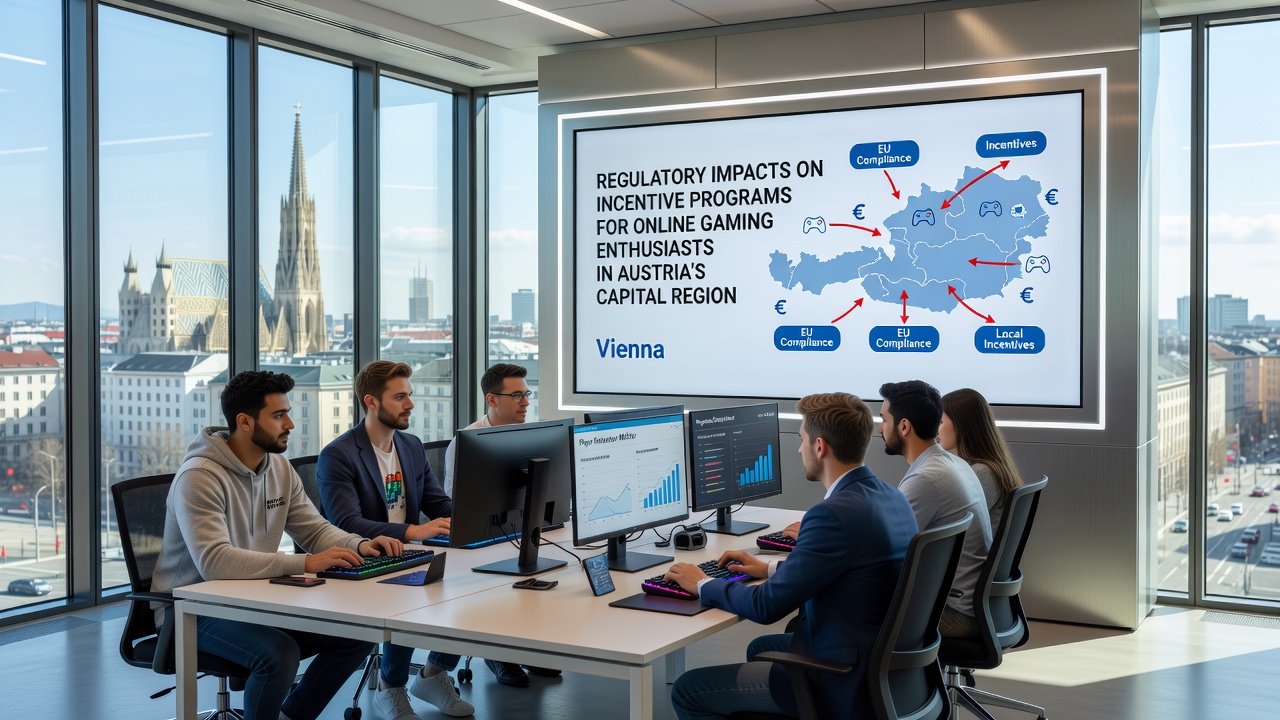
Regulatory Impacts on Incentive Programs for Online Gaming Enthusiasts in Austria's Capital Region
Regulatory frameworks in Austria shape incentive programs for online gaming enthusiasts throughout the Vienna metropolitan area, where licensed operators must navigate strict licensing requirements and consumer protection rules that directly limit bonus structures and promotional offers. Data from the Austrian Federal Ministry of Finance shows that only state-approved entities may distribute certain incentives, which creates a controlled environment for players seeking free spins or deposit matches in the capital region.
Observers note that these rules stem from the Glücksspielgesetz, which establishes a monopoly-like system for many forms of gambling and extends oversight to digital platforms accessible from Vienna addresses, while amendments have tightened verification processes for user accounts and reward eligibility since the early 2020s.
Core Regulatory Mechanisms Affecting Incentives
Operators in Vienna must submit all incentive campaigns for pre-approval, and this process examines whether promotions comply with age verification mandates plus spending limits designed to curb excessive play, whereas unlicensed sites face blocking orders that prevent local access to their bonus offerings. Research indicates that such measures reduce the variety of welcome bonuses and loyalty rewards available compared to less regulated markets, forcing enthusiasts to choose from a narrower set of compliant programs.
Figures reveal that compliance costs have risen steadily, prompting some international platforms to withdraw from the Austrian market entirely and leaving Vienna residents with fewer options for time-limited promotions or cashback deals tied to specific games.
Effects on Player Access and Program Design
Those who study the sector point out that incentive programs now emphasize responsible gaming features such as mandatory cool-down periods before bonus activation, and this requirement stems from updates that prioritize player safeguards over aggressive marketing tactics. In Vienna, data shows higher rates of account verification checks before any reward can be claimed, which slows the user experience but aligns with broader European standards for transparency in online transactions.

Players often discover that maximum bonus amounts are capped by law, while wagering requirements must be clearly disclosed in plain language to avoid misleading claims, and these constraints have led licensed operators to redesign their loyalty schemes around smaller, incremental rewards rather than large upfront incentives. A study from the University of Vienna's Institute for Gambling Research found that such caps correlate with steadier participation rates among local enthusiasts who prefer predictable reward cycles over high-risk promotional structures.
Upcoming Adjustments Scheduled for August 2026
Policy documents indicate that further refinements will take effect in August 2026, including expanded reporting obligations for operators regarding incentive redemption patterns and new restrictions on cross-promotions between online and land-based venues in the capital region. These changes build on existing rules and require detailed tracking of how bonuses influence player behavior, with non-compliance penalties scaled according to violation severity.
Authorities have signaled that the updates will also address emerging digital payment methods used for funding accounts eligible for incentives, ensuring that all transactions remain traceable and subject to the same consumer protections applied to traditional banking channels.
Broader Market Responses and Regional Comparisons
Industry reports from the European Gaming and Betting Association highlight how Austria's approach differs from neighboring jurisdictions, where some countries permit more flexible bonus designs under tiered licensing systems, and this contrast has influenced cross-border player migration patterns among Vienna enthusiasts who seek alternative platforms. Yet licensed operators within Austria continue to adapt by focusing on skill-based promotions and community events that fall outside strict incentive definitions.
One case examined by researchers involved a Vienna-based platform that shifted its entire rewards structure to emphasize non-monetary perks after regulatory reviews disallowed certain deposit bonuses, and similar adjustments have appeared across multiple operators as they prepare for the 2026 deadlines.
Conclusion
Regulatory impacts continue to define the landscape for incentive programs available to online gaming enthusiasts in Austria's capital region, with compliance requirements shaping everything from bonus size to redemption timelines. As August 2026 approaches, operators and players alike monitor the implementation of new reporting standards that will further refine how promotions function under Austrian law, while data from government and academic sources tracks ongoing effects on participation and program diversity.