The Ripple Effects of Initial Deposit Incentives on Long-Term Participation in Slot-Based Digital Environments
Geschrieben von Casey Günther · 8.10.2026
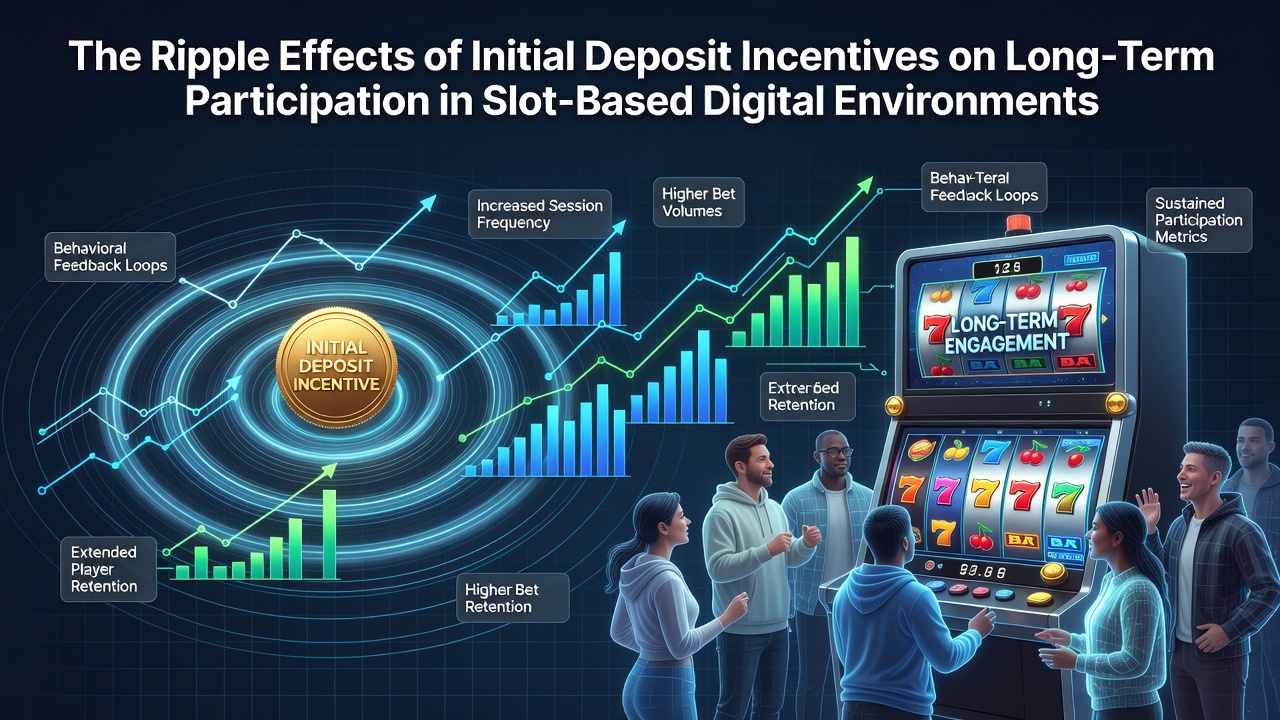
The Ripple Effects of Initial Deposit Incentives on Long-Term Participation in Slot-Based Digital Environments
Initial deposit incentives function as entry points in slot-based digital environments, where platforms match or supplement first-time deposits to encourage account activation and initial play sessions. These mechanisms operate across numerous jurisdictions, and data from industry tracking services reveal consistent patterns in how such offers shape subsequent user activity levels. Researchers at various academic institutions have examined transaction logs to identify correlations between incentive uptake and retention metrics spanning multiple months.
Defining Deposit Incentives and Their Structural Role
Deposit incentives typically appear as percentage-based matches, fixed credit additions, or tiered reward structures that activate upon a minimum funding threshold. Platforms integrate these offers into onboarding sequences, and analysts note that activation rates climb when promotional messaging emphasizes immediate usability. Evidence from aggregated platform data shows that users who claim these incentives complete more spins in the first week compared to non-claimants, yet divergence in activity emerges after the promotional period concludes.
Studies conducted by teams at the University of Nevada, Las Vegas document how incentive structures interact with game volatility settings. Higher match percentages paired with moderate wagering requirements tend to sustain play volume longer than low-match offers with steep playthrough conditions, according to their longitudinal review of user cohorts. Those who've studied transaction flows observe that incentive design elements such as expiration windows and eligible game lists directly influence whether early engagement transitions into habitual patterns.
Short-Term Activation Versus Extended Retention Dynamics
Short-term metrics often register sharp increases following incentive launches, with session counts and deposit frequency rising within the first thirty days. Data compiled by the Canadian Centre for Gaming Research indicates that platforms deploying targeted deposit matches record elevated new-user acquisition during promotional windows, though conversion to recurring participation varies by incentive generosity and accompanying loyalty features. Observers note that users acquired through deposit incentives demonstrate higher churn once initial credits deplete, particularly when no secondary retention tools activate.
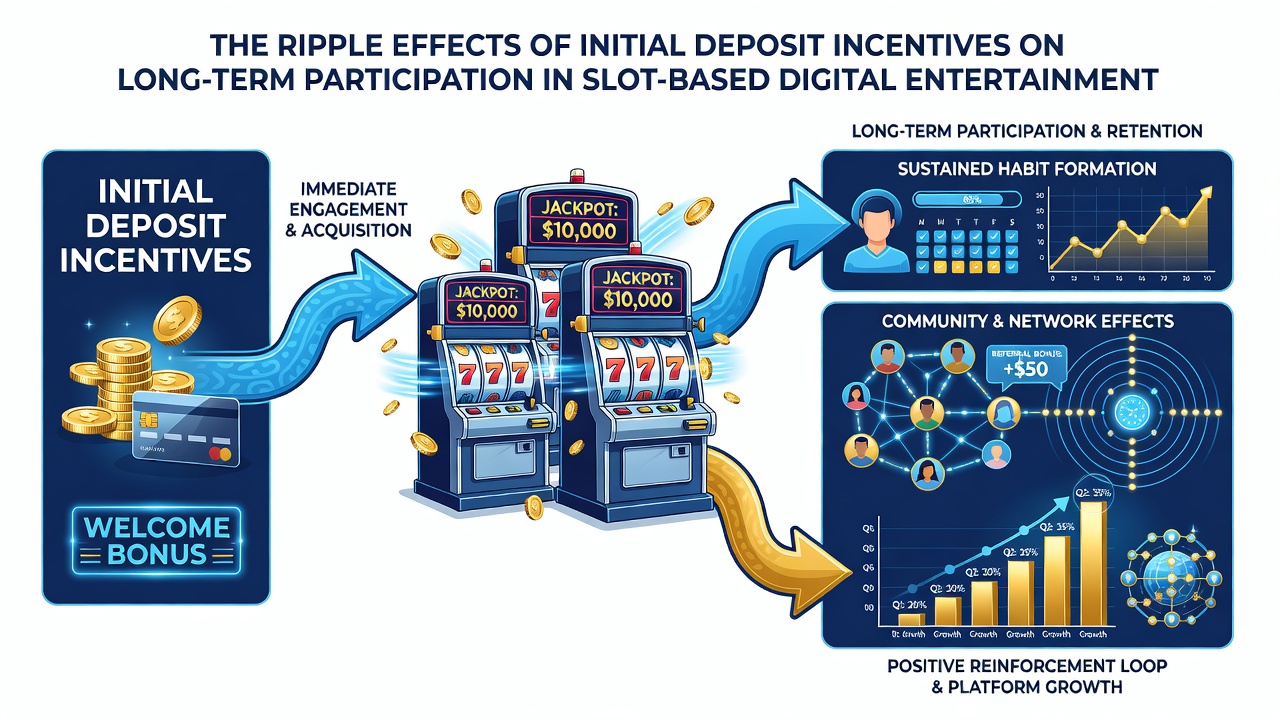
Longer-term participation hinges on factors beyond the opening offer, including game selection breadth, payout transparency, and ongoing promotional layering. Figures from European gaming analytics firms reveal that approximately forty-two percent of incentive recipients maintain activity past the ninety-day mark when platforms introduce progressive reward ladders, whereas retention drops below twenty-five percent without such follow-on systems. These patterns hold across multiple operator datasets reviewed in October 2026.
Behavioral Pathways and Platform-Level Consequences
Initial incentives can trigger network effects within player communities, where early positive experiences prompt referrals through integrated sharing tools. Research published by the Australian Gambling Research Centre tracks how referral chains originating from deposit bonuses extend participation clusters, with secondary users often displaying similar engagement curves to primary claimants. Platform operators respond by adjusting incentive parameters based on cohort performance, and evidence suggests iterative refinement improves average lifetime value calculations.
Yet sustained participation also depends on external variables such as regulatory shifts in bonus advertising rules and macroeconomic influences on discretionary spending. Reports from the Malta Gaming Authority highlight how changes in disclosure requirements around wagering terms affect claim rates and subsequent play duration. Those monitoring these environments find that transparent communication of terms correlates with steadier retention curves across incentive-driven user segments.
Measurement Approaches and Emerging Trends
Analytics teams employ cohort analysis and survival modeling to quantify ripple effects, tracking metrics such as days between sessions and average revenue per retained user. Data released by the Nevada Gaming Control Board in periodic industry summaries shows variance in retention outcomes tied to incentive scale, with mid-tier offers producing more stable long-term participation than either minimal or extravagant matches. These measurements help operators calibrate future campaigns while accounting for regional differences in player demographics.
Emerging tools incorporate machine learning to predict which incentive structures will support extended engagement for specific user profiles. Academic papers from institutions in Singapore and South Africa explore cross-cultural variations, noting that incentive framing interacts with local attitudes toward risk and reward. Platforms that incorporate these insights report incremental gains in multi-month retention statistics.
Conclusion
Initial deposit incentives generate measurable ripple effects that extend well beyond the first interaction in slot-based digital environments. Retention data collected across multiple regions demonstrate that design choices around match percentages, wagering conditions, and follow-up mechanisms determine whether early activity evolves into sustained participation. Continued monitoring by regulatory bodies and research groups provides operators with updated benchmarks, allowing adjustments that align promotional strategies with observed behavioral trends through late 2026 and beyond.